Need epoxy garage floors in Snoqualmie?
Tell us about your floor. Request an estimate and a local provider in our network will reach out to talk through your project.
No obligation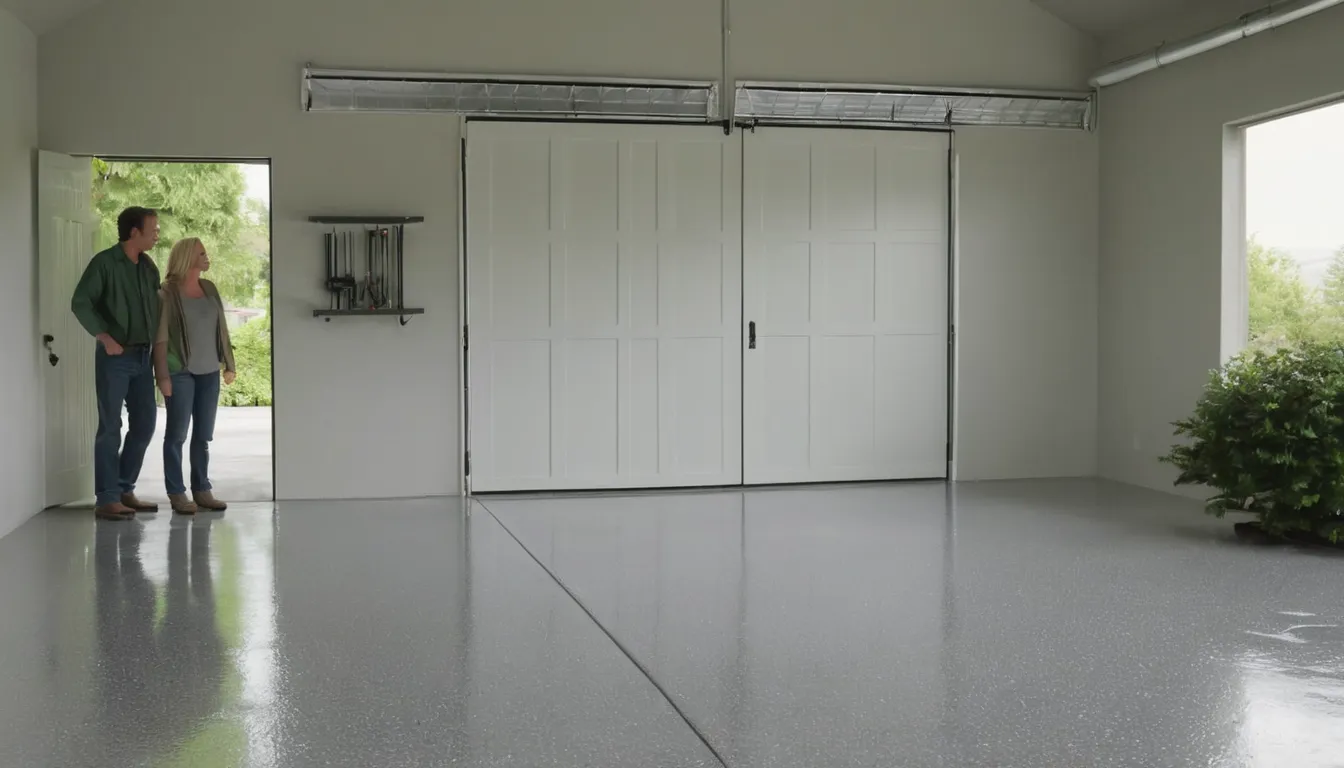
Request an estimate today
An epoxy garage floor is a hard, smooth coating bonded to your concrete. It hides dust, resists oil stains, and wipes clean after a wet, muddy week. In the Snoqualmie area, damp air and tracked-in grit wear down bare slabs fast.
Singleworldwide Floor Coating is a referral service. We do not do the work. We link you with independent local providers in our network. They look at your slab, explain the options, and give you a quote in writing. This page shows what sets the price, what a job looks like, how to prepare your garage, and how to plan the work around home life. You can also find questions to ask before you say yes.
Look at your slab. That is the concrete floor. Do you see oil stains, flaking paint, small cracks, or dust that never stops? Those are the usual reasons people look into epoxy.
Epoxy is a two-part resin. You mix the parts, and they harden into a tough skin on the concrete. It helps with stains and dust. It does not fix a slab that is crumbling or sinking, so a provider should look first.
Most epoxy garage floors in the U.S. cost about $3 to $12 per square foot. A two-car garage is often 400 to 600 square feet. That puts many jobs between $1,500 and $6,000. Your number depends on slab shape, system type, and repairs. Get the quote in writing, with every line listed.
Epoxy only sticks to clean, rough concrete. So the first job is prep. Most providers grind the slab with a diamond-tipped machine. Grinding opens up the surface so the coating can grip.
A thin coat over a dirty or smooth slab will peel. That is the top reason floors fail. When you compare quotes, ask how the slab will be prepped.
Concrete is not sealed against water. Moisture can rise from the ground, even when the surface looks dry. After a long rainy stretch, that moisture can push a coating loose.
Older craftsman garages and homes near crawl spaces often have this problem. Ask the provider about a moisture test. Some jobs need a moisture-blocking primer first.
Providers offer a few main types:
If you want a basic concrete coating, ask about thinner options. Know that thin coats wear faster under car tires.
Many garage jobs take two to four days. The steps are simple:
Each layer needs time to harden. A rushed job leaves soft spots.
The topcoat is the clear top layer. It takes the scratches, spills, and sunlight. Plain epoxy can turn yellow in strong sun. A garage with windows or a door that stays open feels this most.
Polyurethane and polyaspartic are two common topcoats. Both resist UV light better than epoxy alone. A little anti-slip grit in the topcoat helps on wet days.
A garage is part of daily life. Kids leave for school from it. Groceries come in through it. Plan the work so you still get through the week.
Products differ. Foot traffic may be fine after a day. Cars often need a few more days. Ask the provider for exact times.
Clear as much as you can before the crew arrives. Providers can move a few items, but a bare floor means fewer delays and a cleaner result.
Request a callback to check provider availability around your calendar.
Care is easy. Sweep often. Mop with warm water and a mild cleaner. Skip harsh chemicals, since they dull the shine.
Wipe up wet-season puddles so grit does not sit. Mats under the tires help in winter. Ask when the floor is ready for its first deep clean.
Bring this list to every quote:
Some providers also handle hardwood flooring installation or other indoor work. This page stays with garage floors. Ask about the rest when you talk with a provider.
A provider looks over cracks, stains, and damp spots before they set any price.
The slab gets ground and cleaned so the coating can grip the concrete well.
Small cracks and chips get filled so the finished surface looks smooth and even.
A clear final layer guards against scratches, spills, and sun fading.
These are typical U.S. ranges. They change with garage size, slab shape, and the system you pick. Use them to judge a quote, then ask each provider for a written breakdown of every line.
| Item | Typical range | Notes |
|---|---|---|
| Basic epoxy, two-car garage | $1,500 – $3,500 | Solid color, thin coat, light prep |
| Flake system, two-car garage | $2,500 – $6,000 | Vinyl chips and clear topcoat; a common pick |
| Metallic or custom finish | $4,000 – $9,000 | Swirled color; takes more skill and time |
| Grinding and slab prep | $0.75 – $2 per sq ft | Often built into the base price; confirm |
| Crack and pitting repair | $200 – $1,200 | Depends on how much damage the slab has |
| Moisture-blocking primer | $0.50 – $2 per sq ft | Useful on damp slabs; ask if yours needs it |
Tell us about your garage, its size, and any problem spots you have noticed.
Singleworldwide Floor Coating connects you with an independent provider in our network.
The provider checks the slab and lists the system, prep, and price in writing.
Pick dates that suit your household, and ask how long before the car can return.
We explain what drives the cost, so a written quote makes sense when it arrives.
You are matched with independent providers who work near you.
Timing advice keeps the garage job from taking over your family routine.
Ask questions and compare quotes. You decide whether to move forward or not.
Tell us about your floor. Request an estimate and a local provider in our network will reach out to talk through your project.
No obligationTypical U.S. prices run about $3 to $12 per square foot. A two-car garage often lands between $1,500 and $6,000. Slab repairs, moisture control, and the system you pick can move that number up or down.
Many jobs take two to four days. You can often walk on the floor after about a day. Cars usually need a few more days. Timing varies by product and weather, so ask the provider.
It can, if moisture rises through the slab and the prep was weak. Ask the provider about a moisture test and a primer. Good prep and the right topcoat help the coating hold up.
Tell us about your floor. Request an estimate and a local provider in our network will reach out to talk through your project.
No obligation